Evaluating the Utility of Grungy Rust Textures for Modern Design Workflows
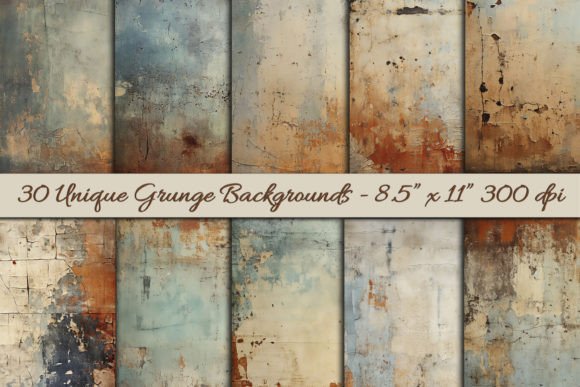
In the realm of digital design and visual storytelling, texture serves as a critical bridge between flat imagery and perceived reality. Among the various aesthetic choices available to creators, Grungy Rust Textures have emerged as a versatile resource for adding depth, history, and tactile weight to digital compositions. This collection comprises 30 high-resolution background textures, rendered at 300 DPI, specifically designed to offer a raw and authentic aesthetic. For professionals and hobbyists alike, understanding how these assets function within a broader workflow is essential for maximizing their value.
The appeal of rust and grunge lies not merely in decay, but in character. These textures provide an immediate sense of age and weathering that can be difficult to replicate from scratch without extensive manual editing or advanced 3D rendering skills. By integrating pre-made, high-quality scans or renders into your projects, you can significantly reduce production time while maintaining a high standard of visual fidelity. This article examines the practical applications, technical specifications, and strategic benefits of incorporating this specific set of rusty grunge backgrounds into your creative toolkit.
Technical Specifications and Visual Quality
The foundation of any useful digital asset is its technical quality. This set of Grungy Rust Textures is delivered as a digital file only, meaning there is no physical product involved. The resolution of 300 DPI (dots per inch) is the industry standard for high-quality print work, ensuring that the details remain sharp whether used on a business card or a large-format poster. Lower resolution images often pixelate when scaled, breaking the illusion of realism, but these files maintain integrity across various sizes.
The "raw and authentic" description is key here. Many stock textures suffer from being too uniform or obviously computer-generated. Effective grunge textures require irregularity—variations in color saturation, organic patterns of corrosion, and subtle lighting differences that mimic natural wear. This collection aims to capture those nuances, providing a base that feels grounded rather than artificial. For graphic designers, this level of detail allows for seamless blending with other elements, reducing the need for heavy-handed filters or excessive post-processing.
Practical Applications Across Creative Disciplines
The versatility of these textures extends far beyond simple background replacement. Their utility is best understood by examining specific use cases where the industrial, weathered aesthetic adds tangible value to the final output.
Photography Backdrops and Product Staging
For photographers, particularly those specializing in product, portrait, or lifestyle shoots, background choice defines the mood. Using these textures as digital backdrops—or printing them for physical sets—can elevate a standard shot into something captivating. A sleek modern watch placed against a rusty metal surface creates a compelling contrast between precision engineering and rugged durability. This juxtaposition draws the viewer’s eye and adds narrative depth to the image without requiring complex lighting setups.
Graphic Design and Branding Materials
In graphic design, overlays are a powerful tool for establishing tone. When designing posters, flyers, or album covers for brands that want to convey resilience, heritage, or an edgy identity, these textures serve as an excellent base layer. They can be applied with varying opacity levels using blend modes like Multiply or Overlay in software such as Adobe Photoshop or Affinity Photo. This allows designers to retain legibility of text while infusing the composition with a rustic, weathered feel. It is particularly effective for industries such as craft brewing, automotive restoration, or artisanal goods.
Web and User Interface Design
While web design has trended toward minimalism and flat design in recent years, there remains a strong niche for textured interfaces, especially in gaming, entertainment, and lifestyle sectors. Incorporating these rust textures into headers, banners, or button states can achieve an industrial look that stands out against the clean white spaces of typical corporate websites. However, usability must remain a priority; the texture should enhance the interface without compromising readability or load times. Optimizing these 300 DPI files for web use is a necessary step to ensure performance does not suffer.
Social Media and Digital Marketing
Social media feeds are crowded, and stopping the scroll requires visual distinctiveness. Applying these textures to promotional images or quote graphics can make content more attention-grabbing. The gritty aesthetic often performs well for brands targeting demographics interested in fitness, outdoor activities, or DIY culture. It signals authenticity and toughness, qualities that resonate with specific audience segments. Consistency in using these textures across a campaign can help establish a recognizable visual identity.
Enhancing Print and Craft Projects
Beyond digital screens, the high resolution of these files makes them suitable for physical media. Invitations and stationery benefit greatly from the touch of vintage charm. A wedding invitation for a rustic barn venue or a birthday card for a motorcycle enthusiast gains immediate context through the use of rust textures. The key is subtlety; using the texture as a border or a faint watermark ensures the text remains the focal point while the background provides atmosphere.
For crafters and scrapbookers, these digital files can be printed on specialty papers to create unique embellishments. The tactile quality implied by the visual texture can inspire physical crafting decisions, leading to more personalized and meaningful DIY projects. Whether used for decoupage, mixed media art, or custom gift wrap, the versatility of the 30-texture set ensures that users will not exhaust the variety quickly.
Who Benefits Most from This Resource?
This collection is particularly valuable for freelancers and small business owners who need to produce high-quality visuals without the budget for custom photography sessions or 3D modeling. It offers a cost-effective solution for achieving a specific aesthetic that would otherwise require significant time and resources to create from scratch.
- Graphic Designers: Looking for quick, reliable overlays to speed up workflow.
- Photographers: Needing versatile backdrops for studio or composite work.
- Marketers: Seeking to differentiate brand materials in saturated markets.
- Educators and Publishers: Creating engaging historical or industrial-themed educational materials.
- Hobbyists: Enhancing personal projects with professional-grade assets.
It is important to note that while these textures are powerful, they are not a substitute for good design principles. They work best when used intentionally to support a message or mood, rather than as a decorative afterthought. Understanding color theory and composition will help users integrate these rust elements seamlessly into their existing projects.
Limitations and Considerations
As with any digital asset, there are limitations to consider. The "grunge" aesthetic is not universally appropriate. Corporate reports, medical brochures, or luxury fashion campaigns may find this style too aggressive or informal. Users must assess whether the ruggedness aligns with their brand voice and audience expectations. Additionally, because this is a digital download, users are responsible for managing file organization and backups. There is no physical inventory to track, which simplifies logistics but requires disciplined digital asset management.
Furthermore, while 300 DPI is ideal for print, web usage requires downsampling. Users unfamiliar with image optimization may inadvertently upload large files that slow down website performance. Taking the time to export web-optimized versions (typically 72 DPI and compressed JPEG or PNG formats) is a crucial step in the workflow.
Final Thoughts on Value and Usability
The Grungy Rust Textures set represents a practical investment for creatives who frequently work with industrial, vintage, or rugged themes. Its strength lies in its high resolution and authentic appearance, which allow for flexible application across multiple mediums. From enhancing social media posts to providing depth in print design, these textures offer a reliable way to add character to visual communications.
By understanding the technical requirements and appropriate use cases, designers and creators can leverage this resource to elevate their work efficiently. As with any tool, its value is determined by the skill and intention of the user. For those looking to add a layer of authenticity and depth to their projects, this collection provides a solid foundation for creative exploration.