The Visual Impact of the Stylish Hat Flat Icon in Modern Digital Design
In the rapidly evolving landscape of user interface design, clarity and aesthetic appeal must coexist seamlessly. Designers are constantly searching for assets that communicate concepts instantly without cluttering the screen. One such asset that has gained significant traction is the Stylish Hat Flat Icon. Specifically, variations like the Elf Green Top Hat offer a unique blend of whimsy and professionalism that can elevate a project’s visual identity. These isolated vector signs are not merely decorative; they serve as functional elements that guide user interaction and reinforce brand personality.
Understanding the Aesthetic Appeal of Flat Design
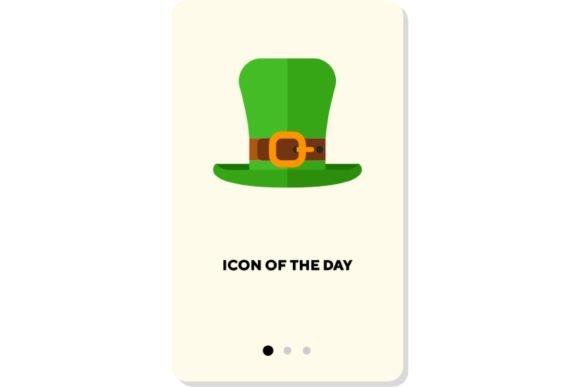
Flat design emerged as a reaction against skeuomorphism, stripping away unnecessary textures, shadows, and gradients to focus on pure form and color. Within this minimalist framework, every pixel counts. A vector illustration symbol must be instantly recognizable at small sizes while remaining crisp when scaled up. The Elf Green Top Hat exemplifies this balance. Its distinct silhouette—a tall crown and a wide brim—creates an immediate association with elegance, fantasy, or festive occasions, depending on the context.
The choice of color plays a pivotal role here. Green, particularly the vibrant shades often found in elf-themed imagery, conveys growth, freshness, and energy. When applied to a top hat, it subverts traditional expectations of black or grey formal wear, injecting a sense of playfulness. This makes the icon particularly suitable for applications targeting younger demographics, gaming interfaces, or creative platforms that wish to stand out from corporate monotony.
Why Vector Formats Matter for Web and App Development
When integrating head dress and accessory concepts into digital products, the file format is just as critical as the design itself. Raster images like JPEGs or PNGs can become pixelated when resized, leading to a poor user experience on high-resolution displays. In contrast, an isolated vector sign uses mathematical paths to define shapes. This ensures that the Stylish Hat Flat Icon remains sharp whether it is displayed as a tiny favicon or a large hero image on a landing page.
- Scalability: Vectors adapt to any screen size without loss of quality, essential for responsive web design.
- File Size Efficiency: SVG files are typically smaller than high-resolution raster images, improving page load speeds.
- Customizability: Developers can easily change the color of the hat via CSS, allowing for dynamic theming without creating multiple image files.
These technical advantages make vector illustrations the preferred choice for modern workflows. Designers can hand off a single file to developers, knowing it will perform consistently across iOS, Android, and various web browsers.
Practical Applications in User Interface Design
The versatility of the Elf Green Top Hat extends beyond mere decoration. In user experience (UX) design, icons serve as visual shorthand. They help users navigate complex systems by providing quick cognitive cues. Here are several scenarios where this specific icon adds value:
- Gaming and Entertainment Apps: For role-playing games or fantasy-themed applications, the elf hat can represent a character class, a costume item, or a special achievement badge. Its distinct shape makes it easy to identify in inventory screens.
- E-Commerce Platforms: Online stores selling costumes, party supplies, or fashion accessories can use the hat icon to categorize products. It acts as a clear visual marker for the "Headwear" or "Fantasy Costumes" section.
- Creative Software Tools: In graphic design or photo editing apps, the icon might represent a "sticker" pack or a filter category related to holidays or theatrical themes.
- Event Management Systems: For platforms organizing themed parties or holiday events, the green top hat can signal festive features, such as ticket types for gala dinners or masquerade balls.
By using a consistent visual language, designers reduce the cognitive load on users. When a user sees the Stylish Hat Flat Icon, they should immediately understand its function within the app’s ecosystem. This intuitive recognition is the hallmark of effective iconography.
Integrating Icons into Brand Identity
Brands are increasingly moving away from generic stock imagery toward custom, cohesive icon sets. The Elf Green Top Hat can be a cornerstone of such a set if it aligns with the brand’s voice. For instance, a company specializing in eco-friendly fashion might use green-toned accessories to subtly reinforce their commitment to sustainability. Alternatively, a tech startup with a quirky, innovative culture might adopt whimsical elements to appear more approachable and human.
Consistency is key. If the hat icon is part of a larger family, it should share stylistic traits with other icons in the set. This includes line weight, corner radius, and color palette. An isolated vector sign should not look out of place next to a home button or a settings gear. Designers often create modular icon systems where each element, including the head dress and accessory concept, follows strict grid guidelines to ensure visual harmony.
Considerations for Selection and Implementation
Before adopting a specific icon like the Stylish Hat Flat Icon, designers and product managers should evaluate several factors. First, consider cultural connotations. While a top hat generally signifies formality or magic, the addition of "elf" and "green" shifts the meaning toward fantasy and nature. Ensure this aligns with your target audience’s expectations. Second, assess accessibility. Icons should never rely solely on color to convey meaning. Always pair the Elf Green Top Hat with text labels or aria-labels for screen readers to ensure inclusivity for users with visual impairments.
Furthermore, think about the context of use. A flat icon works best in clean, modern interfaces. If your app employs a highly detailed, realistic art style, a flat vector might look disjointed. However, for most contemporary web and mobile applications, the clean lines of flat design provide a refreshing clarity that enhances usability.
Enhancing Workflow Efficiency with Vector Assets
From a production standpoint, using pre-made vector symbols can significantly speed up the design process. Instead of drawing every icon from scratch, teams can leverage high-quality libraries that offer Stylish Hat Flat Icon variants. These assets are often organized in layers, making it easy to edit specific parts, such as changing the band color or adjusting the brim width. This flexibility allows for rapid prototyping and iteration.
Moreover, vector files integrate seamlessly with popular design tools like Figma, Sketch, and Adobe Illustrator. Designers can drag and drop the isolated vector sign directly into their canvases, manipulate it non-destructively, and export it in various formats for development. This streamlined workflow reduces friction between design and engineering teams, leading to faster time-to-market for digital products.
The Future of Iconography in Digital Spaces
As augmented reality (AR) and virtual reality (VR) become more prevalent, the demand for versatile, scalable icons will only grow. The Elf Green Top Hat could transition from a 2D screen element to a 3D object in a virtual environment. Starting with a strong 2D vector foundation ensures that the core design principles remain intact even as the medium evolves. The simplicity of flat design translates well into 3D modeling, where complex textures can sometimes overwhelm the user.
In conclusion, the Stylish Hat Flat Icon is more than just a graphic element; it is a strategic tool in the designer’s arsenal. Whether used to denote a category, enhance brand personality, or improve navigation, its impact is profound. By choosing high-quality vector illustrations like the Elf Green Top Hat, professionals can create interfaces that are not only functional but also visually engaging. As digital experiences continue to mature, the importance of thoughtful, well-executed iconography will remain paramount, bridging the gap between human intent and machine interaction with elegance and precision.